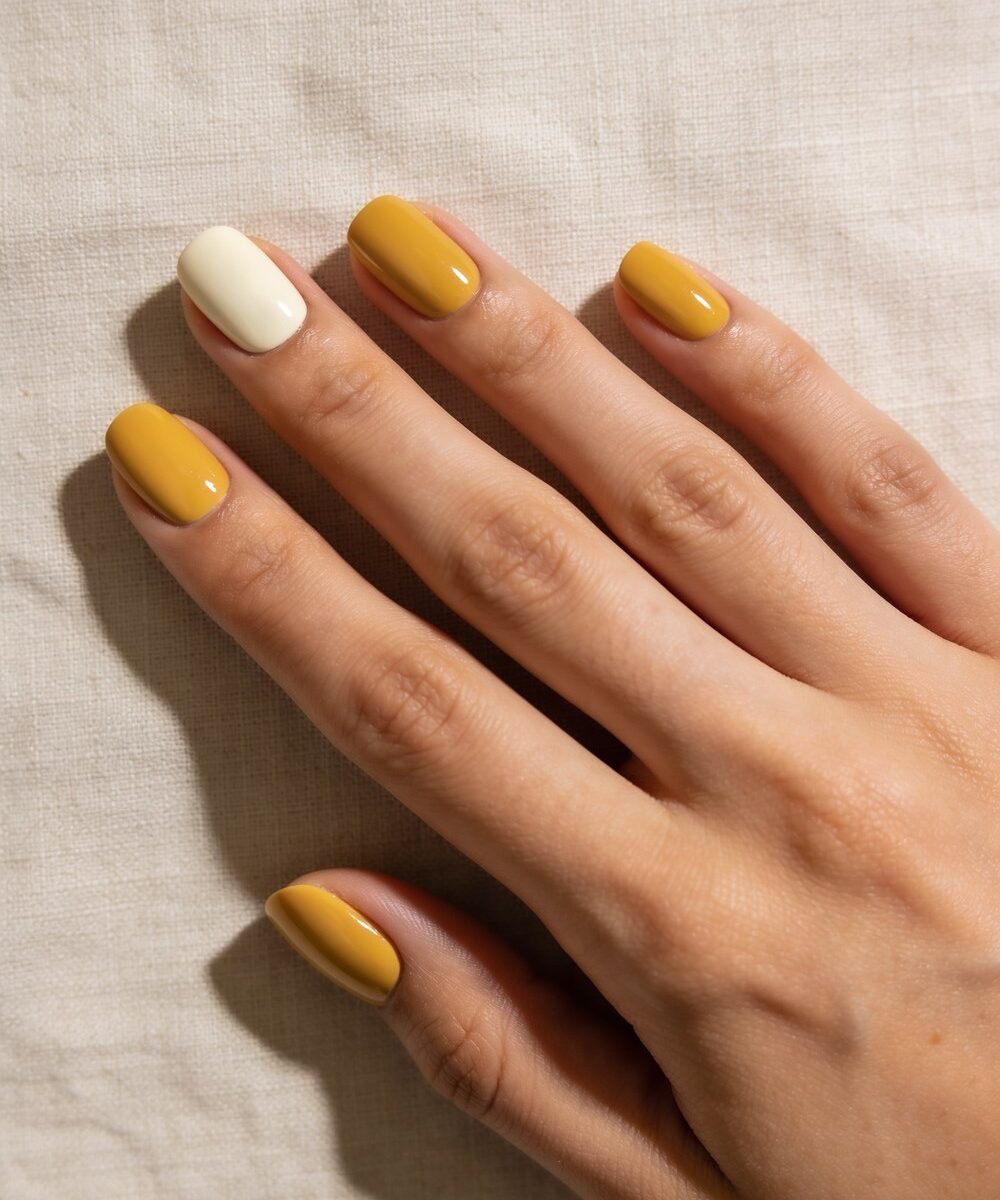
Most nail lists are sorted by how the design was made, which is useful to a technician and useless to everyone else. You are almost never choosing between chrome and blooming gel. You are choosing between something that will survive a work trip and something that will not.
These are grouped the way the decision actually gets made. Find your constraint, pick from that group, and everything after that is just picking a colour.
If you have twenty minutes
Single colour, one coat of thought. Everything here is done and dry before you would have finished picking a design.
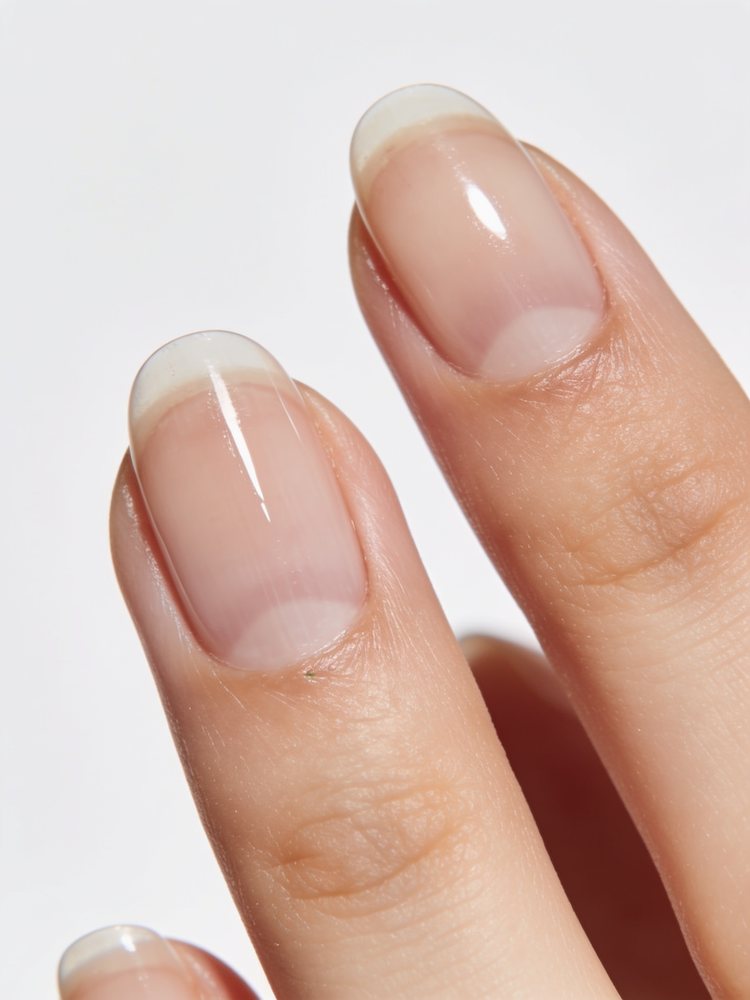
One coat sheer, nothing else
A single coat of any sheer shade over tidy nails. It is deliberately not opaque, so nothing streaks and nothing needs to be even.
This is the manicure for the evening before an early start. It looks intentional and it takes almost no skill.
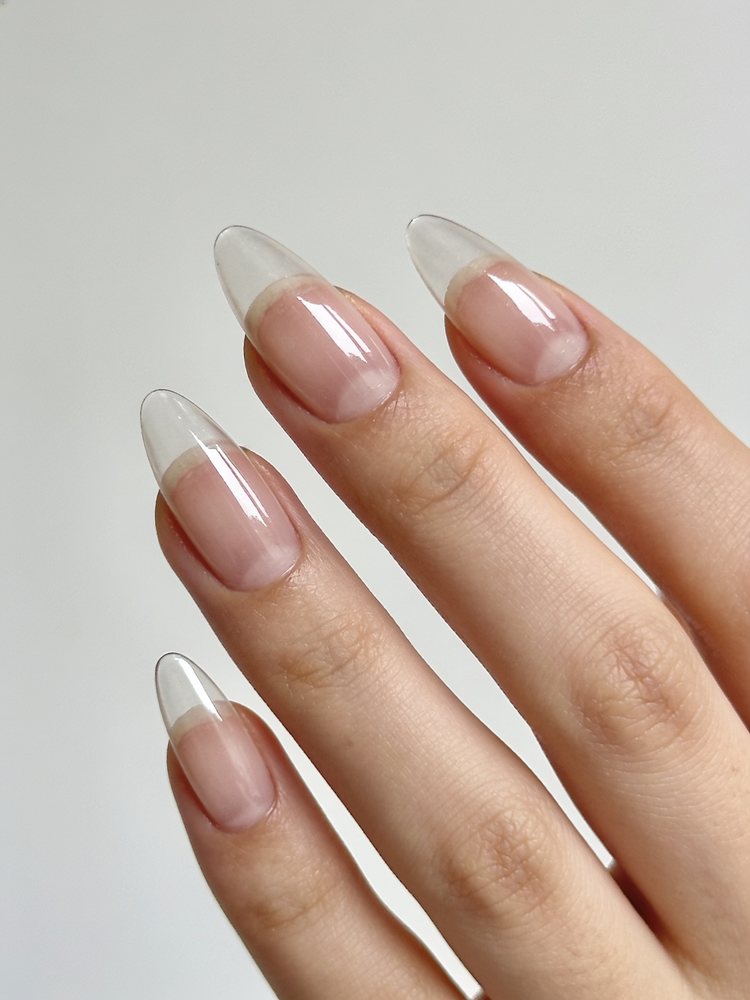
Clear gloss on shaped nails
File, push the cuticles back, one coat of clear high-shine topcoat. Nothing else. On tidy nails it reads better than a rushed colour ever will.
The filing is the whole manicure. Do it dry and in one direction.
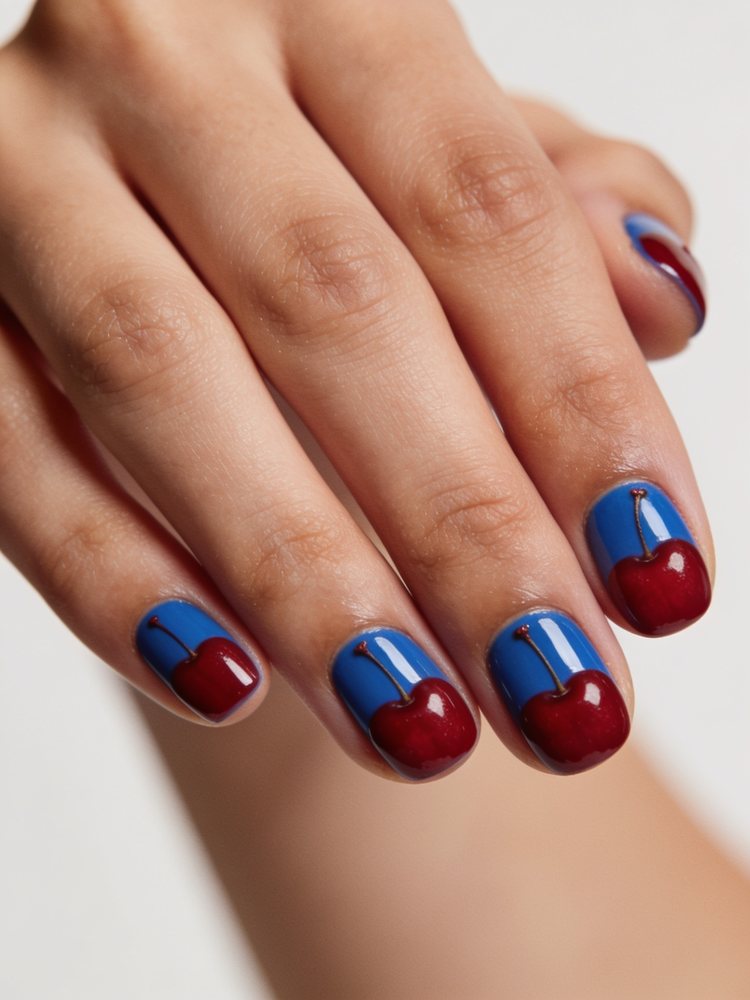
Red, two coats, done
A blue-based cherry red. It suits more skin tones than any other red and it makes an unremarkable outfit look considered.
Cap the free edge with the brush on both coats. That one move is most of the difference between four days of wear and eight.
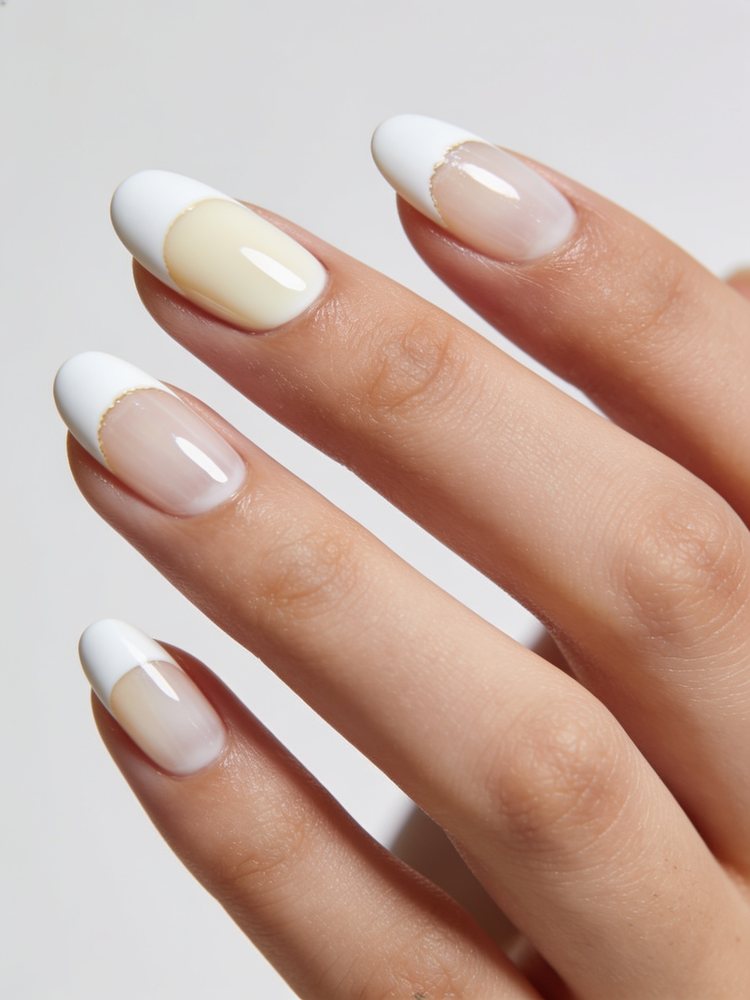
Milky white
Two sheer coats of off-white. It hides an uneven free edge better than any other colour because the eye stops at the softness rather than the shape.
The most forgiving colour in existence for a home manicure.
If your nails are short
Short nails suit small details and dislike repeating patterns. Anything that needs to run the length of the nail will look compressed, and anything tiny will look deliberate.
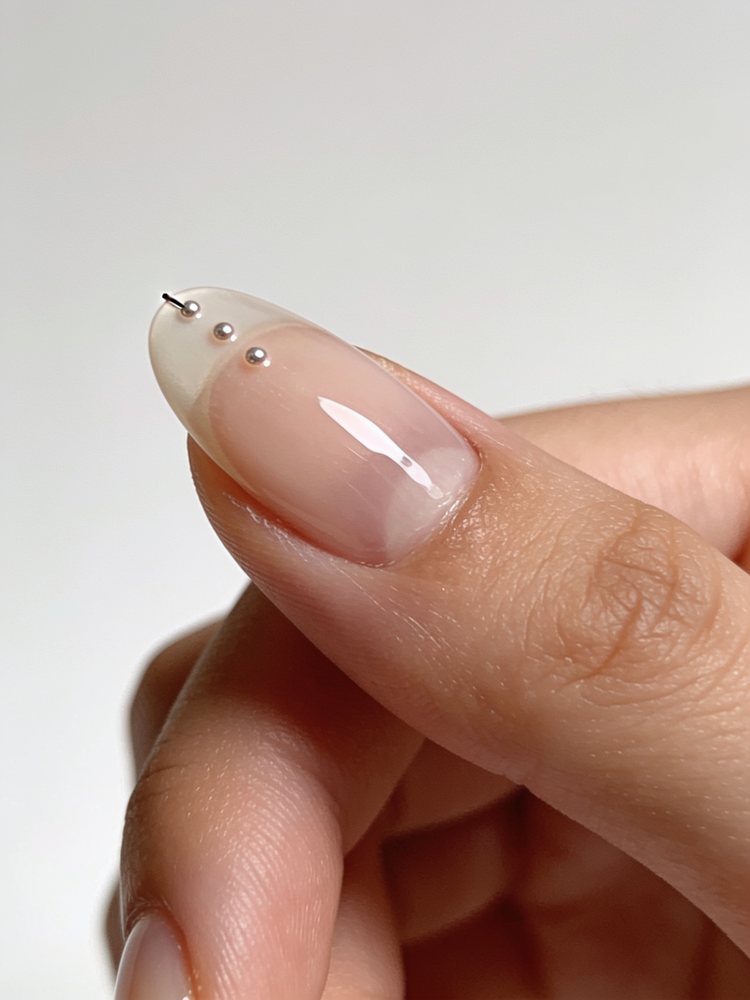
Micro dots near the tip
Three or four tiny dots scattered near the free edge on a sheer base, placed with a dotting tool or a hairpin.
Uneven spacing is correct. Evenly spaced dots become a polka dot pattern, which needs more nail than you have.
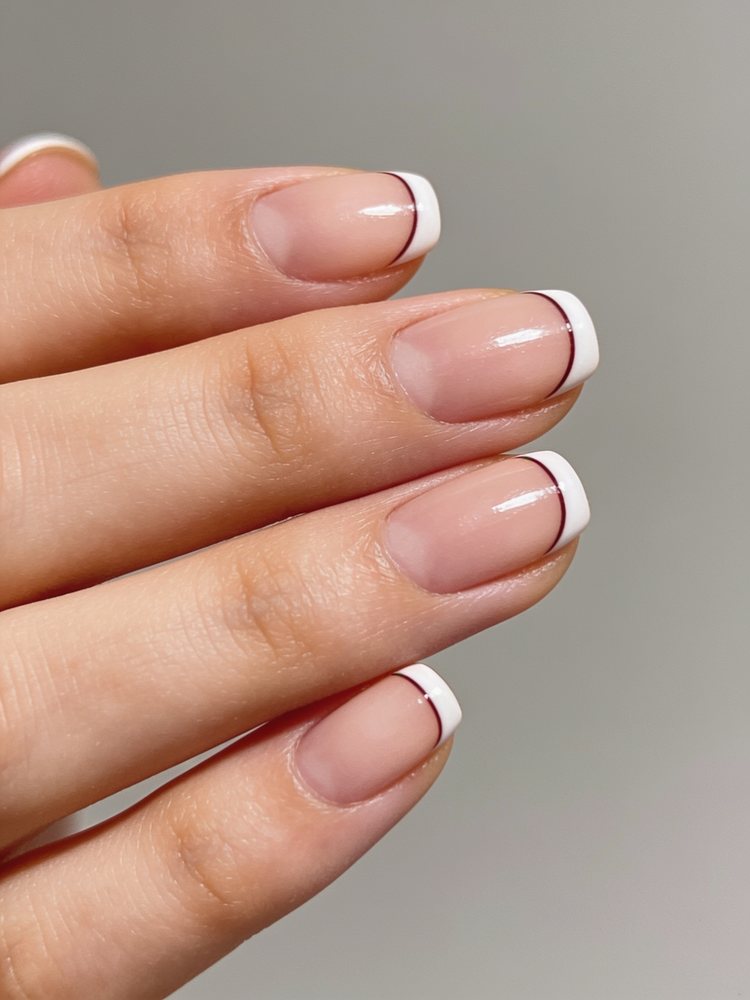
Micro French
A tip line so thin it reads as a healthy nail edge rather than a design. On short nails this is the only French that works.
Deep French tips on short nails eat the whole nail and make the finger look shorter.
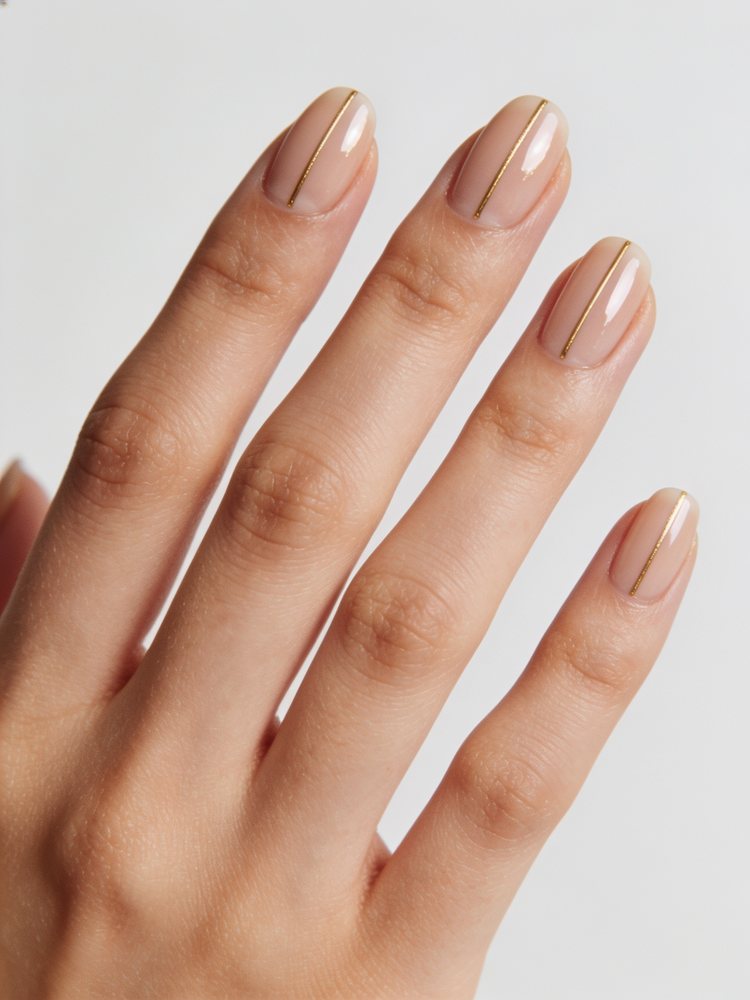
One gold line
A single hairline of gold running from cuticle to tip on two nails, using striping tape.
Lengthways, always. A line across a short nail cuts it in half visually.
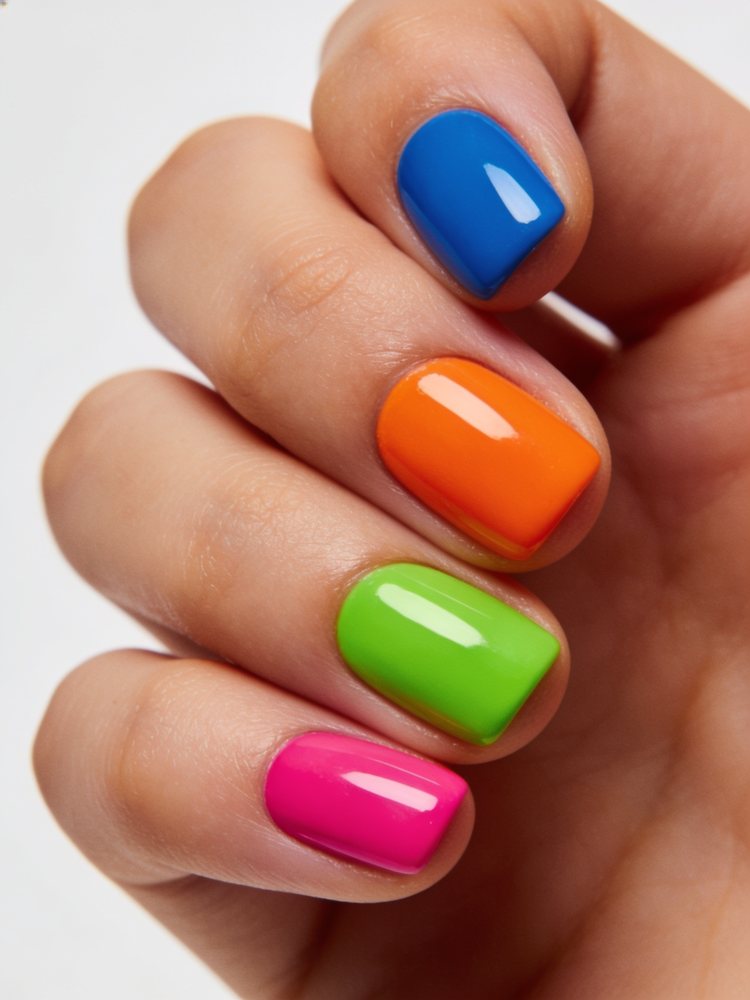
Saturated brights
Short nails carry loud colour better than long ones, because there is less of it. Cobalt, tangerine, lime and hot pink all work here and overwhelm at length.
If you have wanted to try a colour and thought it was too much, try it short first.
If it has to last three weeks
Wear time is decided by two things: whether the design hides grow-out, and whether the finish holds its look. Everything here is chosen on both.
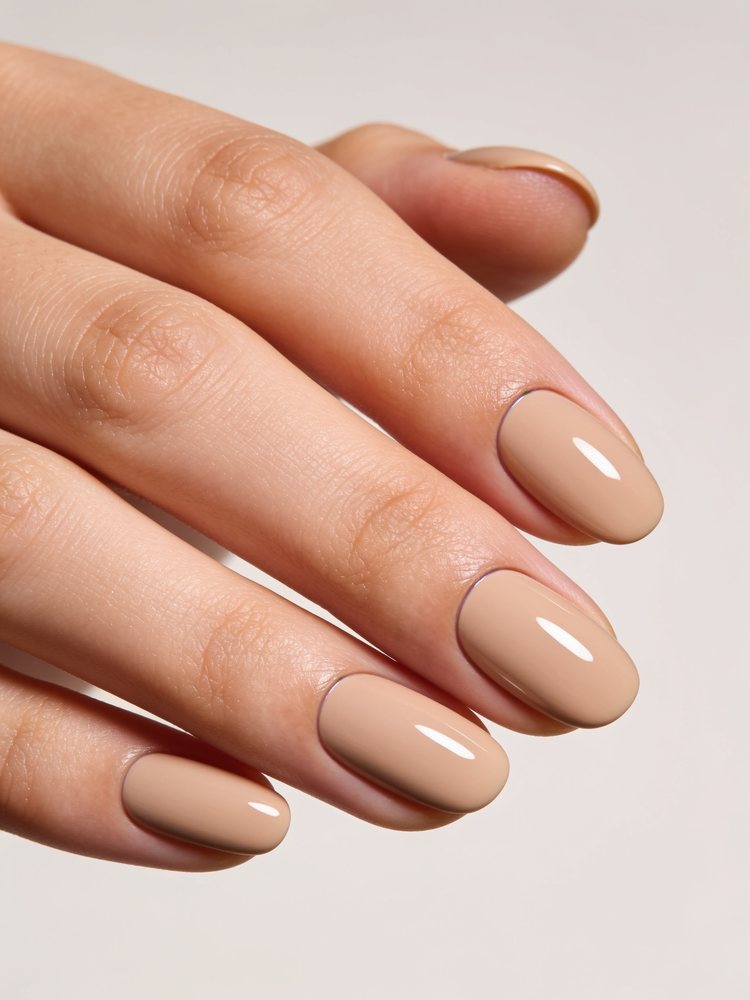
Nude gel, one shade off your skin
The growth line at the cuticle is invisible when the colour is close to your skin. This is the single longest-looking-good manicure available.
Ask for it in builder gel rather than gel polish if your nails flex, and you get an extra week on top.
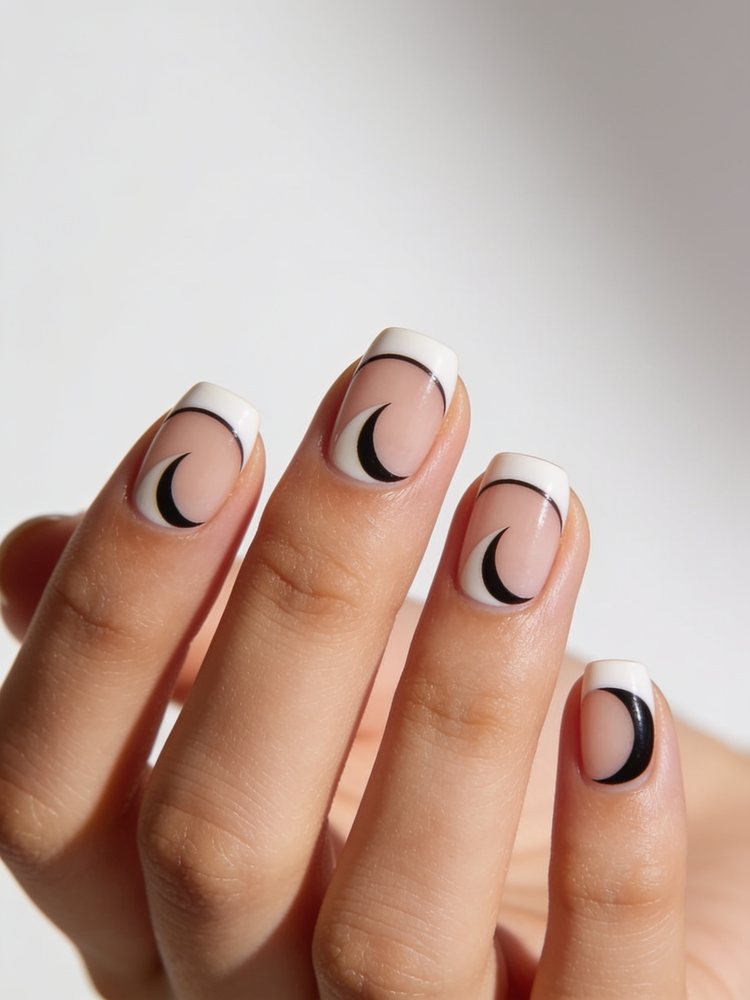
Half moon at the base
The reverse French. New growth appears inside the moon rather than beside it, so the design absorbs the grow-out instead of exposing it.
The best-kept secret of long-wear manicures and almost nobody asks for it.
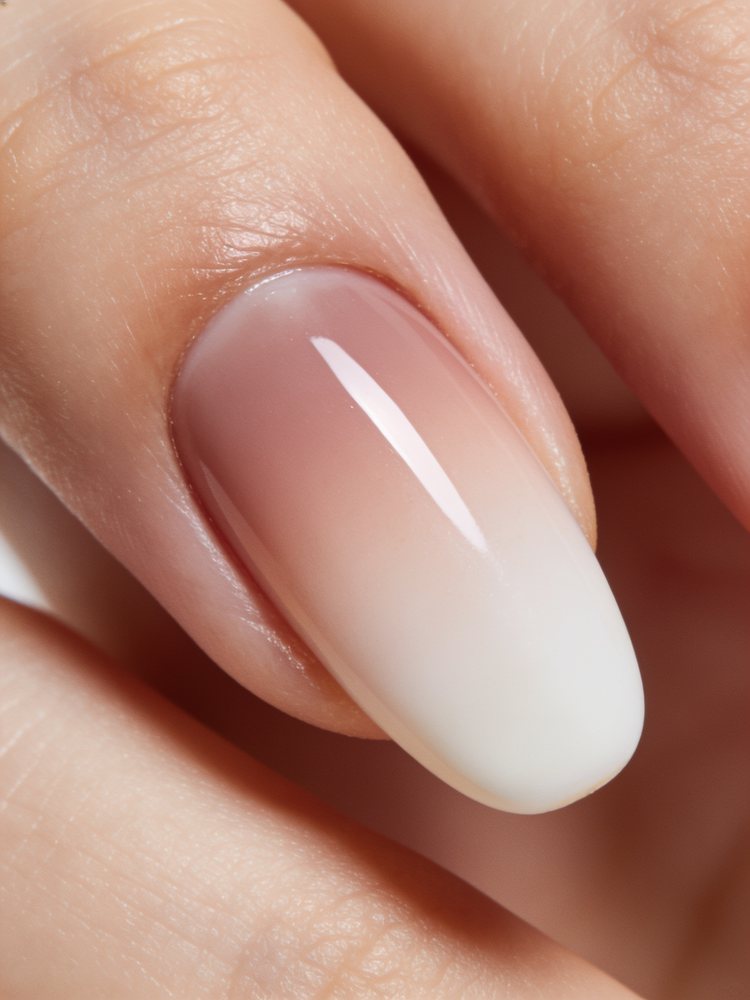
Ombre from the cuticle
A fade that starts pale at the base and deepens towards the tip. Because the base is closest to your natural nail, the growth line disappears into it.
The fade needs at least a third of the nail to look like a gradient rather than a mistake.
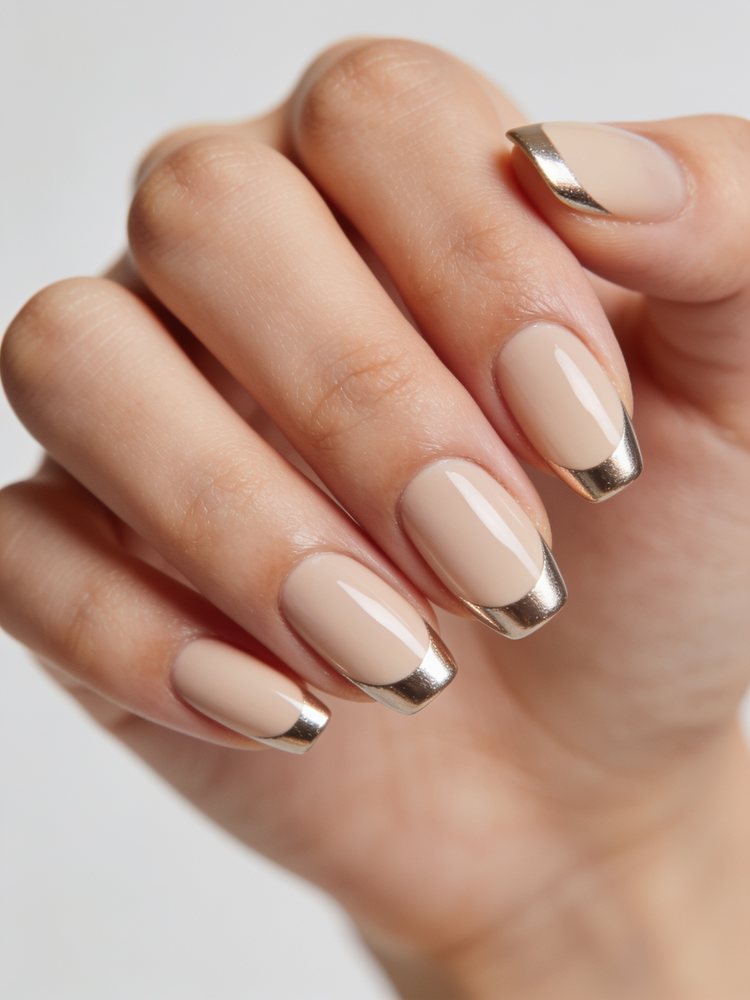
Chrome tip on nude
All the visual interest sits at the free edge, which does not move. Three weeks in it still looks like the day it was done.
Avoid matte anything if wear time is the goal. Matte finishes dull by day ten regardless of the product.
If it has to suit an office
The line is usually length and shine rather than colour. A short dark nail reads as professional. A long pale one often does not.
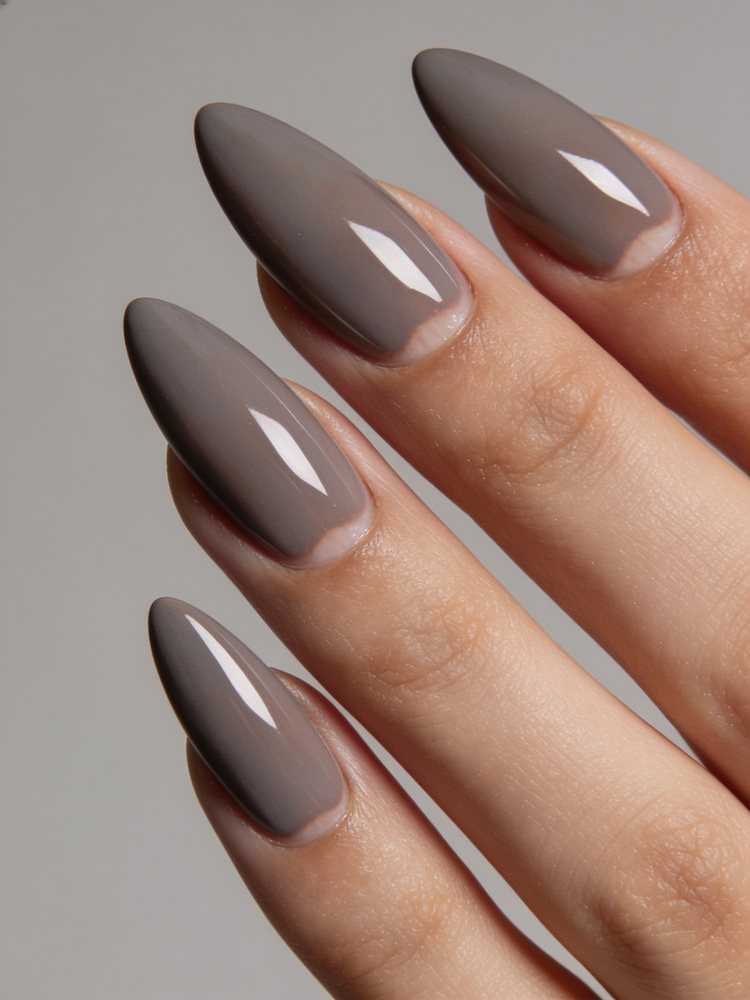
Warm greige
Grey with brown in it, which stops it going cold. It is the most invisible interesting colour there is.
The neutral to reach for when nude looks washed out against your skin.
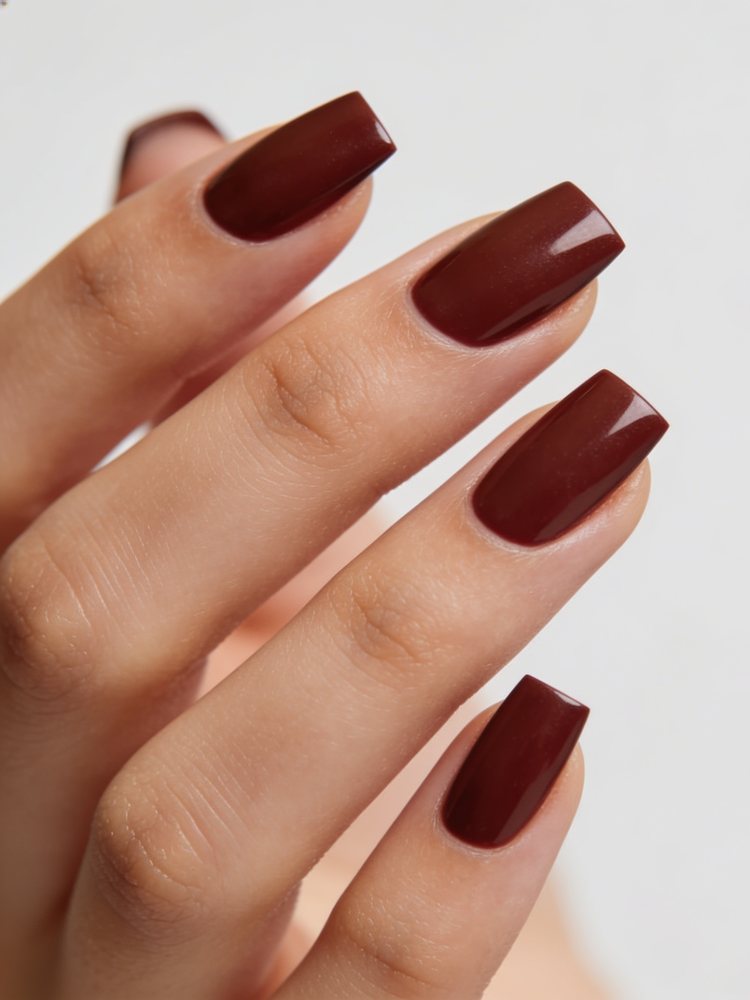
Short oxblood
A deep brownish red on a nail filed level with the fingertip. It is a statement colour that behaves conservatively because of the length.
Depth comes from the second coat. One coat of a dark shade looks streaky in overhead lighting, which is exactly the lighting you will be in.
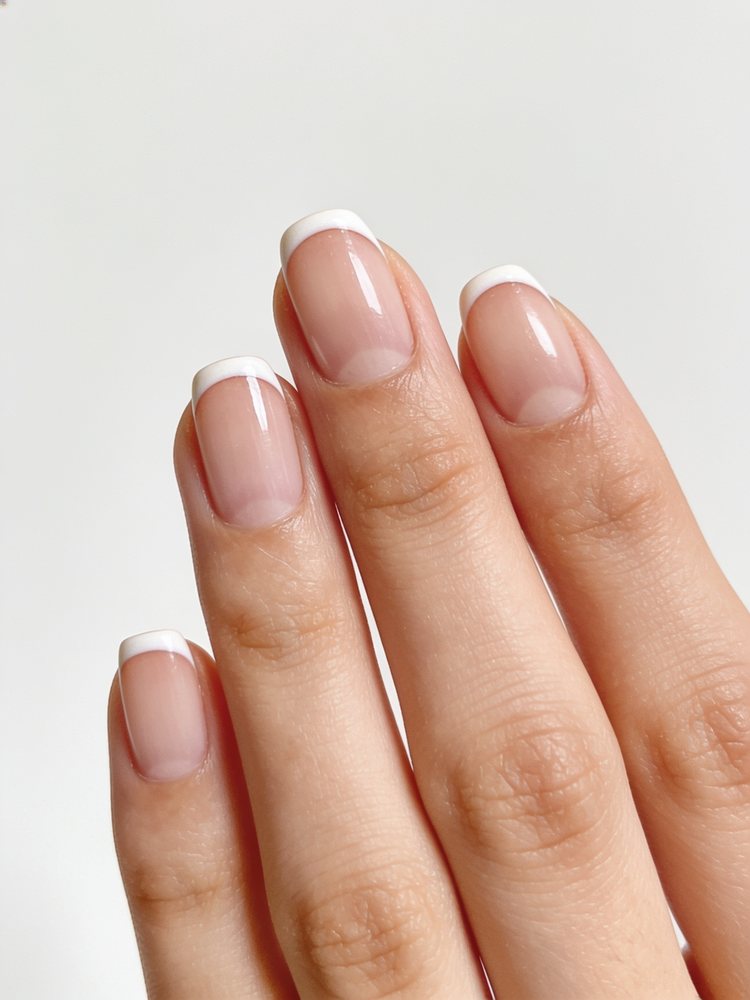
Barely-there French
Soft off-white, painted a millimetre deep. It reads as a very healthy nail rather than a manicure.
The version to ask for if you want a French but not a French that announces itself.
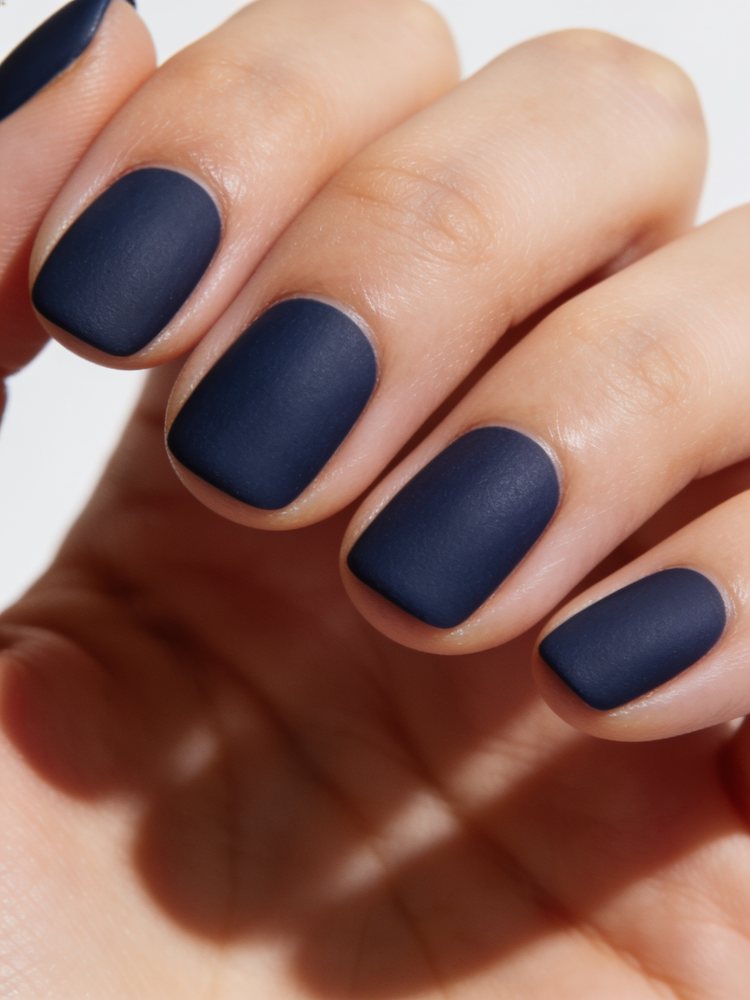
Matte navy
Dark enough to be interesting, matte enough not to shine under a meeting room light. It is the quietest way to wear a strong colour.
Refresh the matte topcoat after ten days. Skin oil brings the shine back in patches.
If you are doing it yourself
Everything here needs no lamp, no gel and no steady hand. The techniques are all forgiving by design, which is the only useful property in a home manicure.
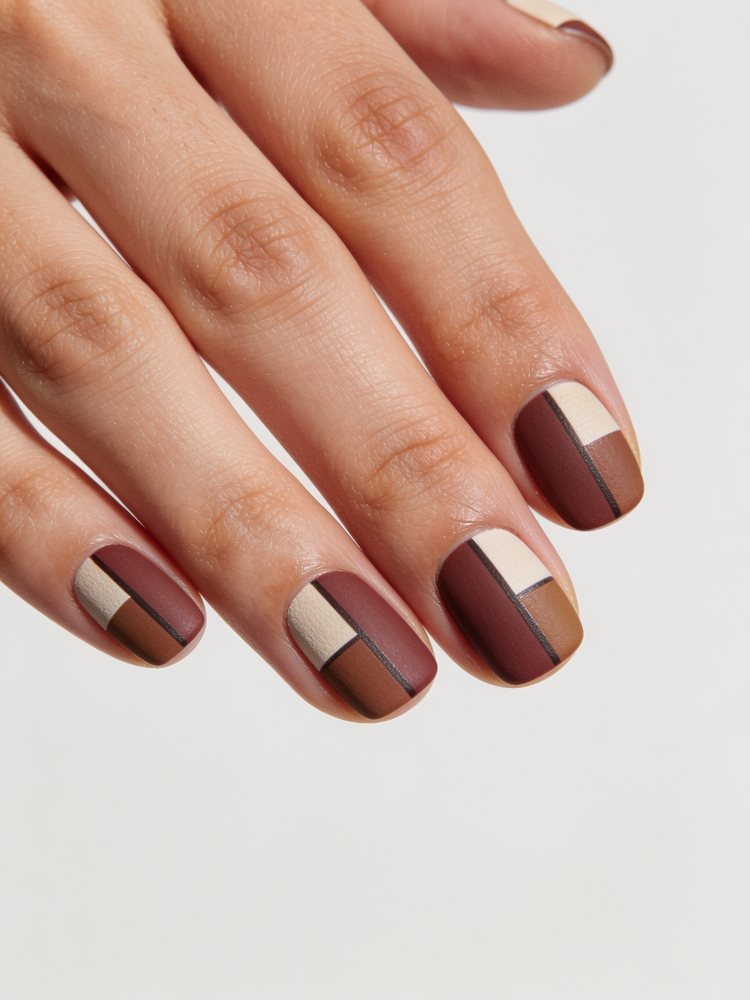
Colour block halves
Paint the whole nail one colour, then paint the top half in a second colour using the edge of a piece of tape. The tape does the straight line for you.
Two shades from the same family. Clashing halves look accidental rather than graphic.
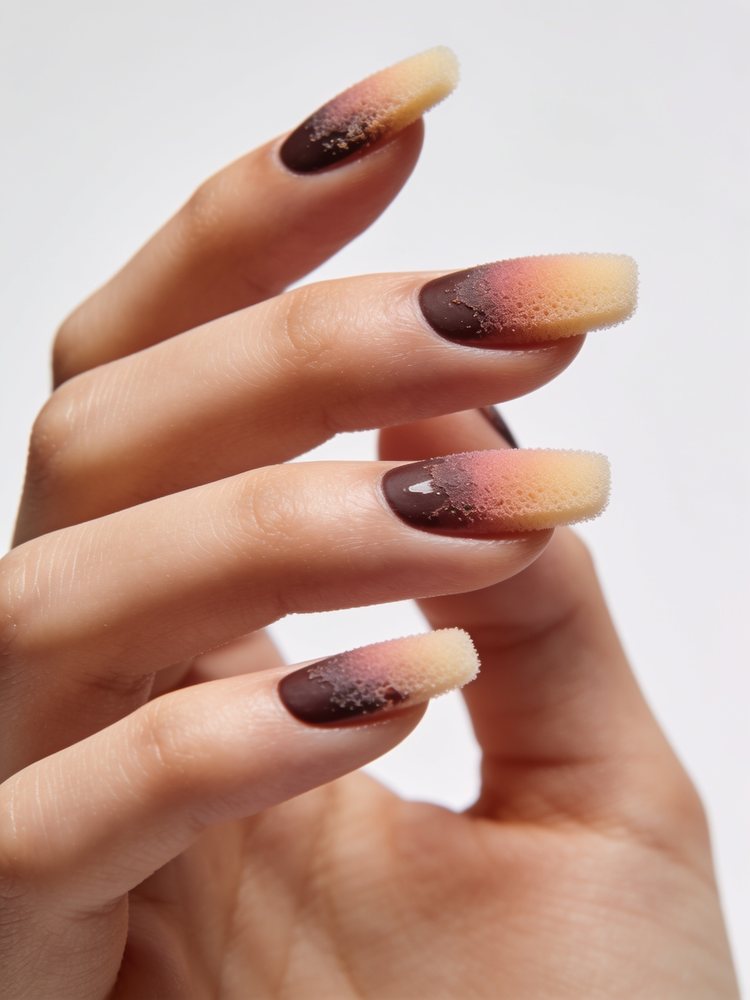
Sponge ombre
Dab two colours onto a makeup sponge, press it repeatedly onto the nail, clean up the skin afterwards with a brush and remover. Messy process, forgiving result.
Press more times than feels necessary. The blend appears in the last few presses.
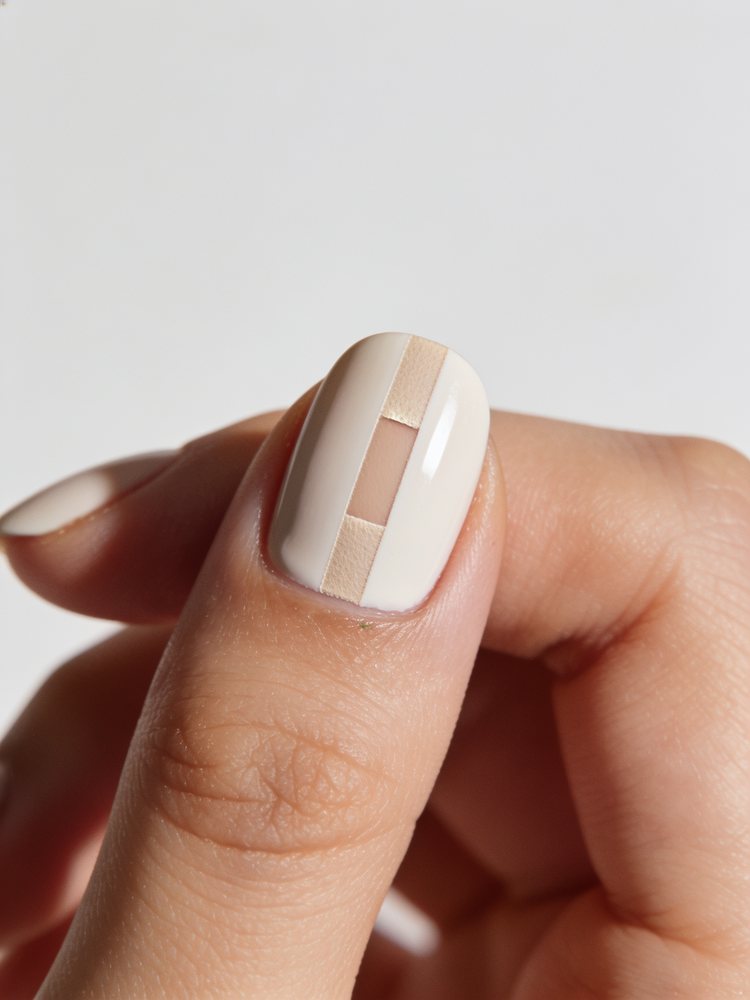
Negative space stripe
Leave a bare stripe down the centre of an otherwise painted nail using two pieces of striping tape. The bare part is the design.
Peel the tape while the polish is still tacky, not dry. Dry polish tears at the edge.
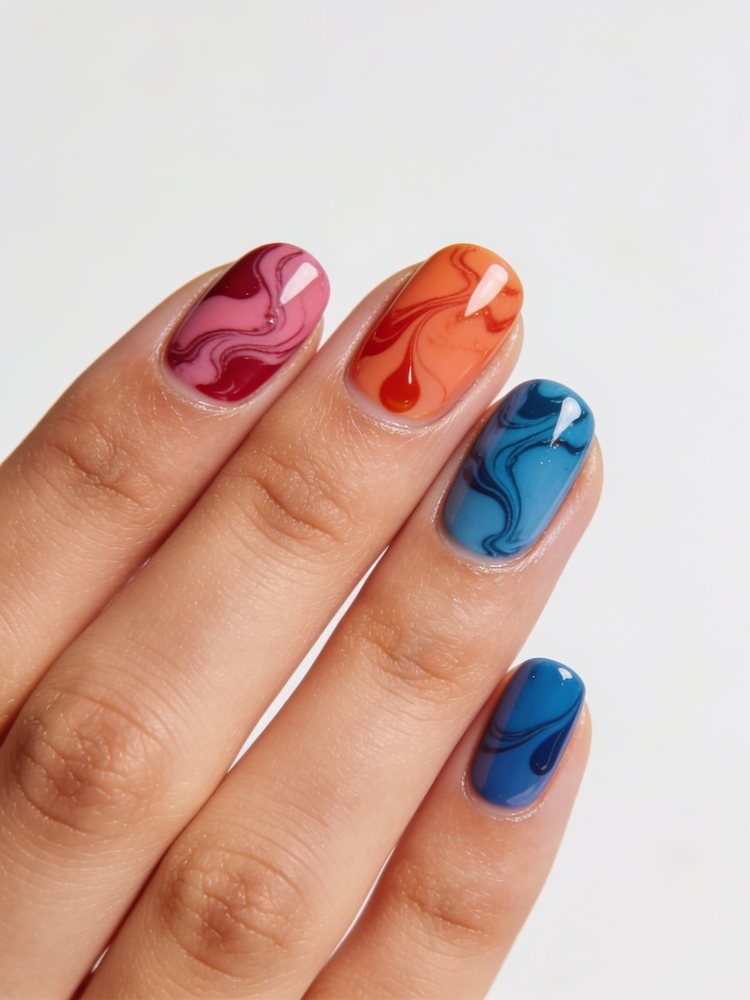
Marble with a cocktail stick
Drop two colours onto a wet base and swirl once with a cocktail stick. Once. Every extra swirl takes it further towards grey.
Work one nail at a time. The base has to still be wet, and it will not be by the time you finish painting all five.
What actually decides whether it looks good
Not the design. Two things: whether the cuticles were pushed back before you started, and whether the free edge was capped with the brush on every coat. The first is why salon manicures look different, the second is why they last longer.
If the constraint you keep running into is length, the shapes guide covers what each shape needs and which ones survive daily use. If you would rather browse by aesthetic than by constraint, the nail inspo guide is grouped that way.
Questions people actually ask
What is the easiest nail design for beginners?
Colour blocking with tape, then negative space stripes. Both use tape to make the straight line, so neither needs a steady hand. Anything freehand should come after those.
Which nail ideas last the longest?
Anything where the design sits at the free edge or absorbs the grow-out at the cuticle. Skin-matched nudes, half moons, cuticle-out ombres and chrome tips all still look intentional at week three, especially done in gel.
How do I make regular polish last longer?
Cap the free edge with the brush on every coat, keep the coats thin, and use a real topcoat rather than a two-in-one. Skipping base coat is the other common reason polish lifts in a day.
Pick the group that matches your constraint rather than the picture you liked most. The design you love in a photo and the design that survives your actual week are usually two different things, and the second one is the one you will end up wearing. When you have the constraint settled, the full designs list has the rest of them.