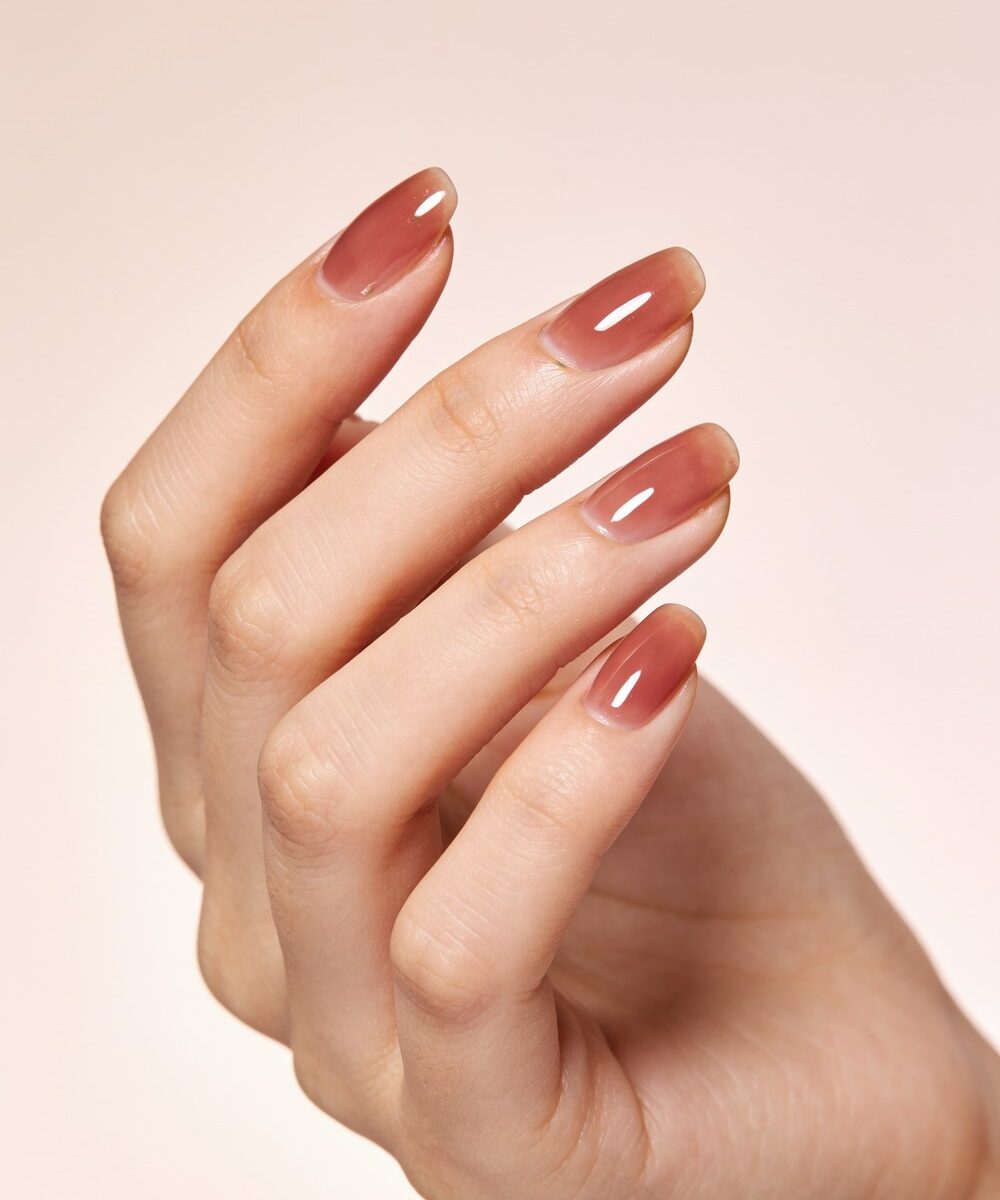
Polish is judged on colour and bought on colour, but what makes a bottle worth owning is formula. A shade you love that needs four coats and dries in twenty minutes will sit unused. A mediocre shade that covers in two and dries in five gets worn constantly.
Four things: how many coats to full opacity, how long until it is genuinely dry rather than surface dry, how wide and flat the brush is, and how many days it holds a gloss before dulling.
Nothing here is a paid placement. This site carries no affiliate links and no advertising, so a recommendation is only ever a recommendation.
A two-coat cherry red and a real topcoat
A red that covers in two thin coats tells you the brand can formulate. A separate high-shine topcoat, rather than a two-in-one, does more for wear time than any other single purchase.
What a bottle costs
The formula categories
- Cremes: solid colour, no shimmer. The hardest to formulate well and the most useful to own.
- Sheers and jellies: translucent, built in three coats. Forgiving of a poor application.
- Shimmers and metallics: cover in fewer coats because the particles do the work, but they show brush strokes.
- Quick-dry: dry faster and chip sooner. A trade, not a free win.
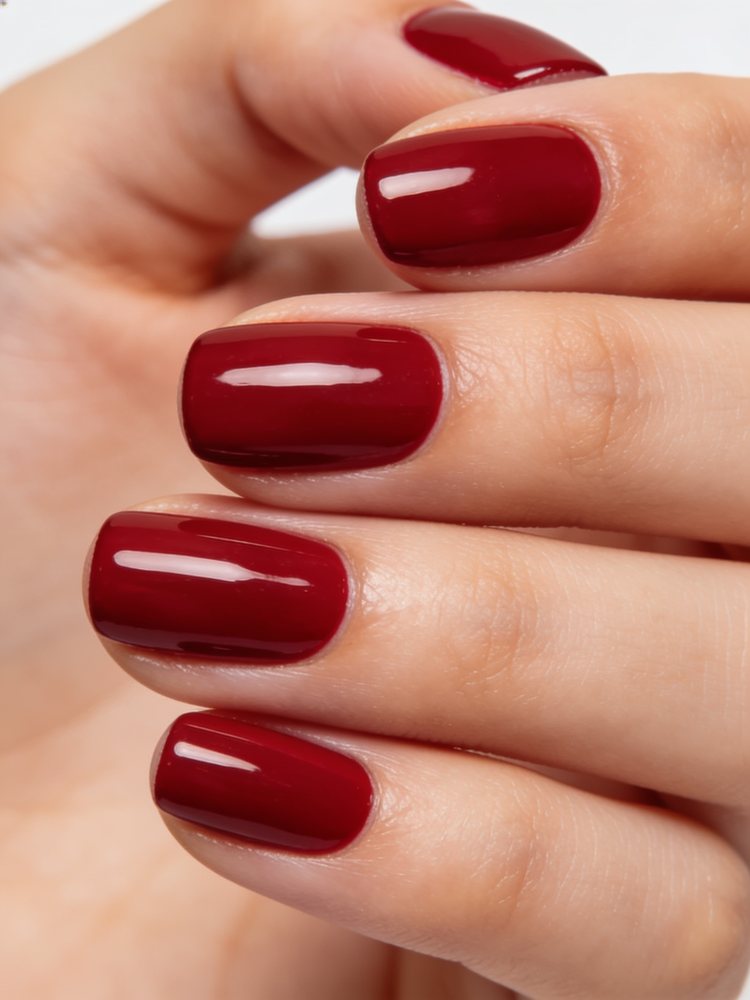
A two-coat cherry red creme
The benchmark. A red that covers in two thin coats with no streaking is the single best test of a brand.
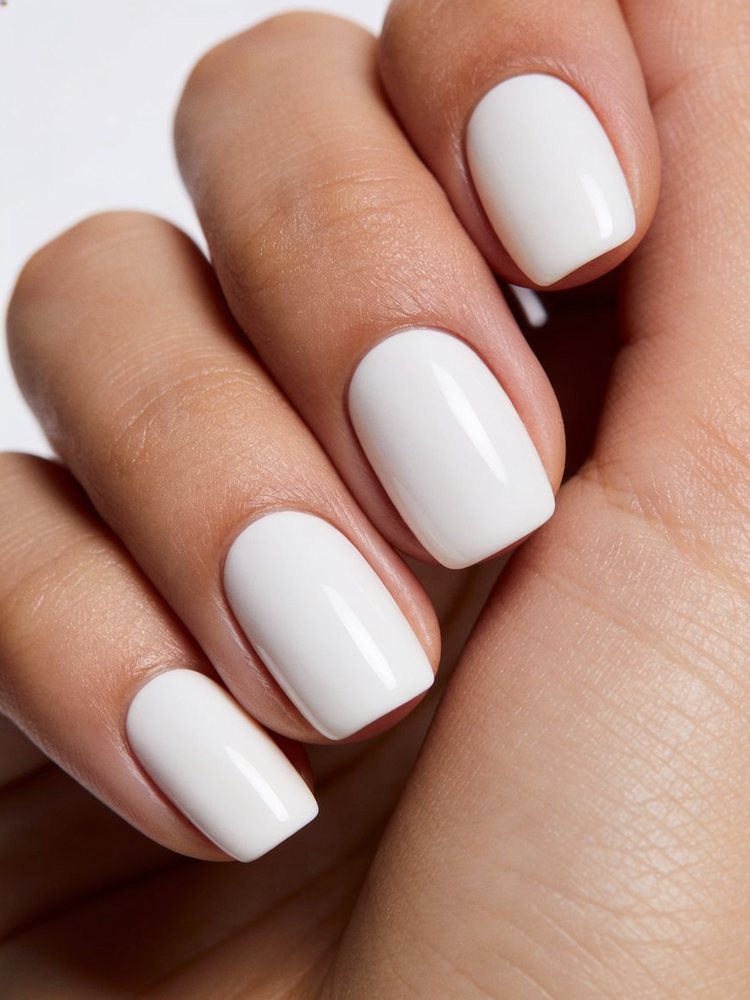
An opaque white
The hardest colour in the category. Most whites need three coats and dry with visible brush lines.
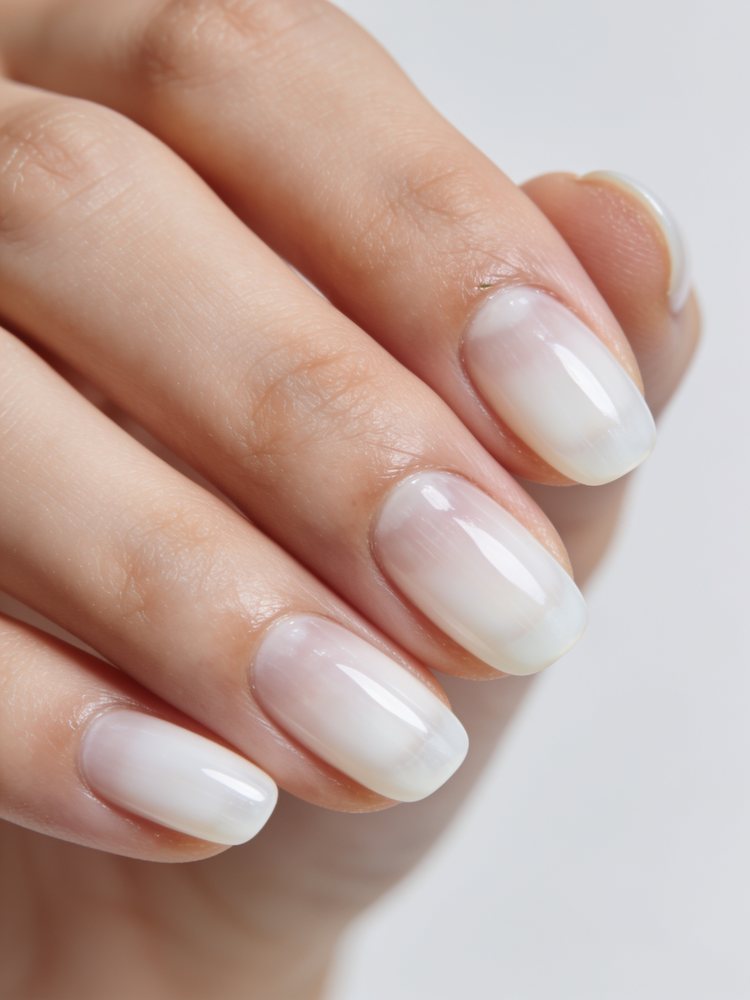
A milky white sheer
Semi-opaque off-white. The most forgiving bottle you can own.
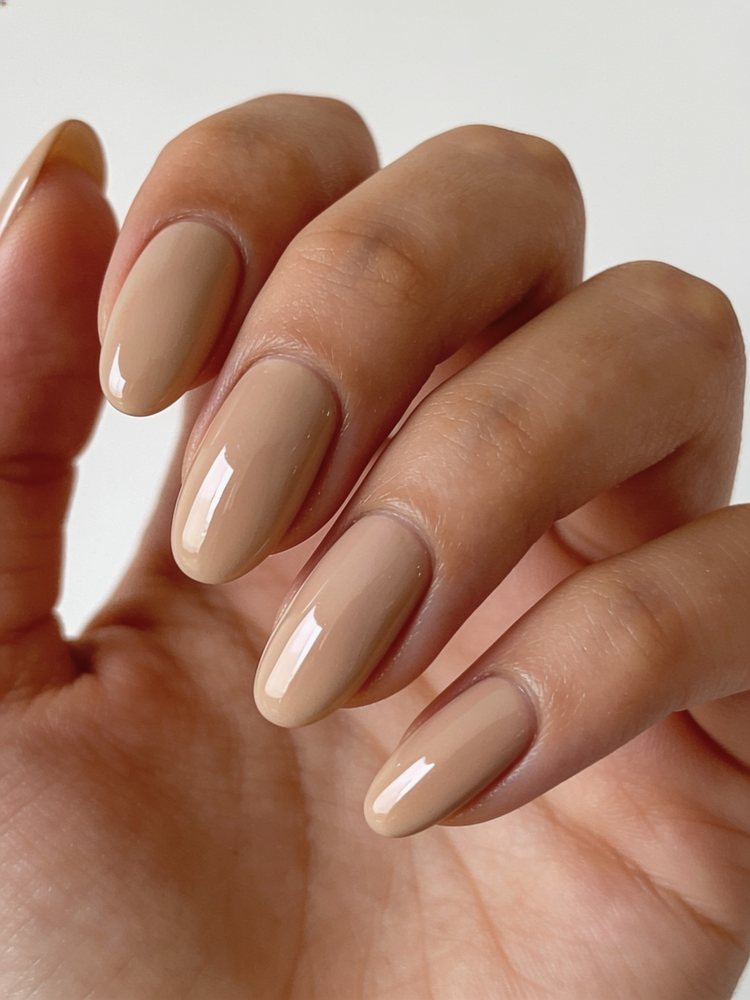
A skin-match nude
Worth buying in person rather than online. Undertone matters more than lightness.
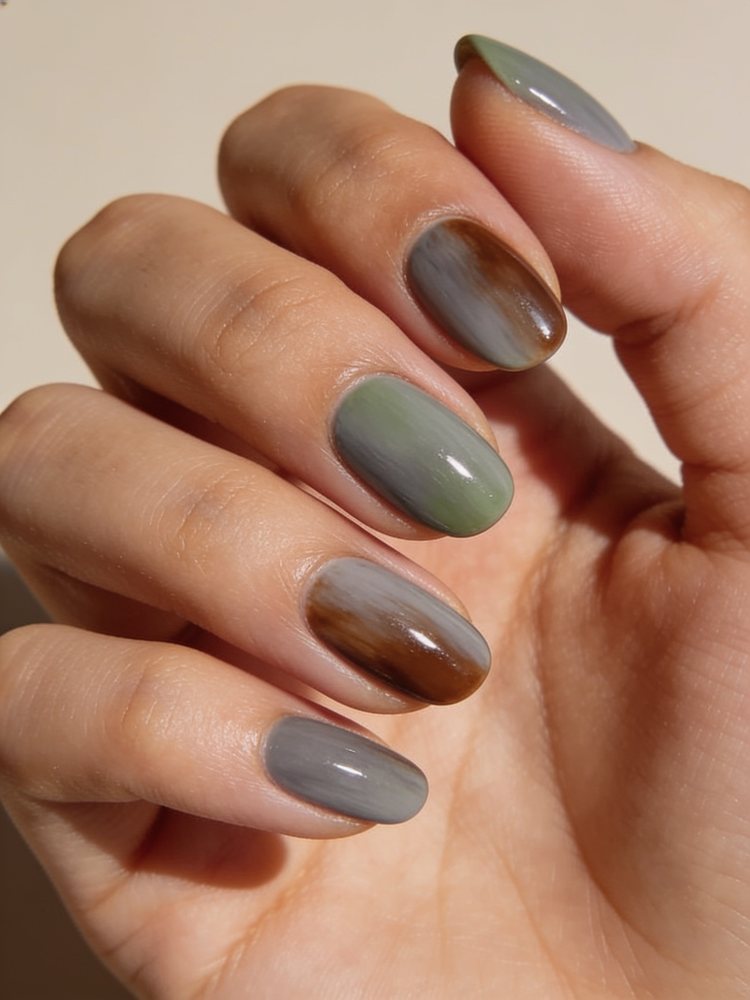
A warm greige
Grey with brown in it. The neutral that works when nude reads washed out.
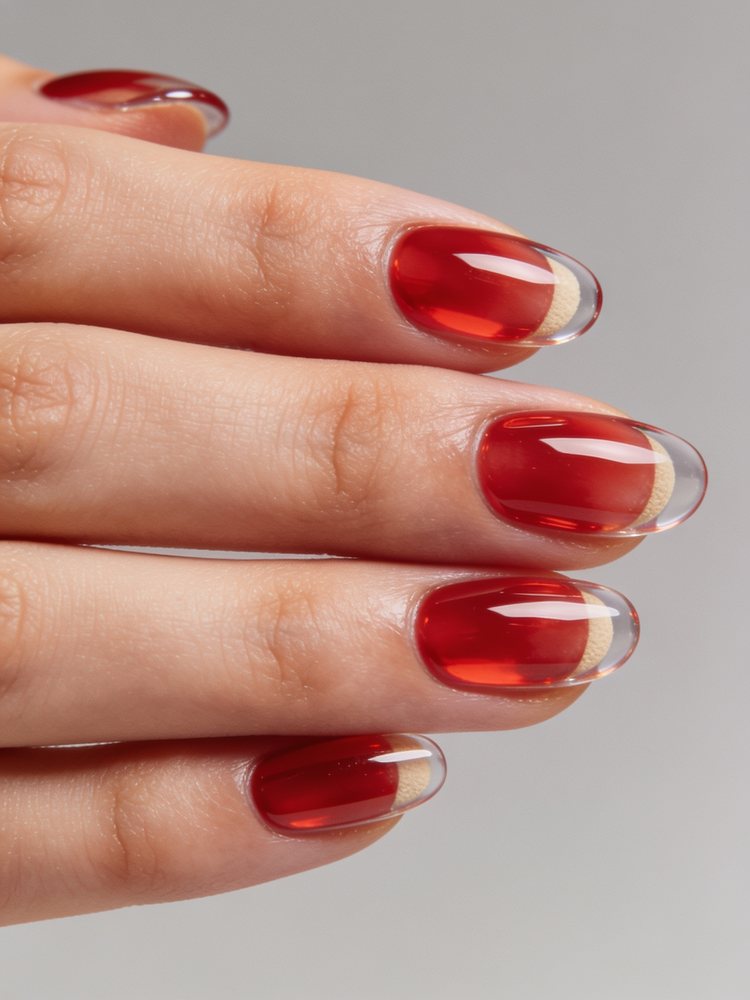
A jelly red
Translucent with glassy depth. Needs a buffed surface underneath.

A chocolate brown creme
Warm espresso. The neutral that reads as a decision.
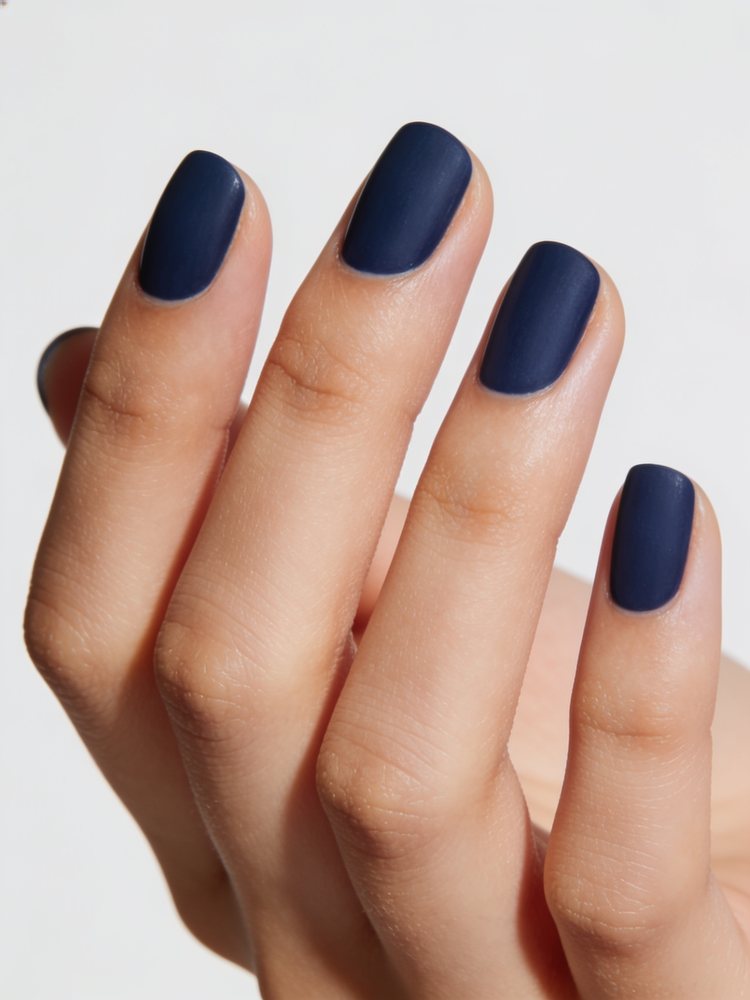
A navy creme
Dark shades take longest to dry through. Thin coats matter most here.
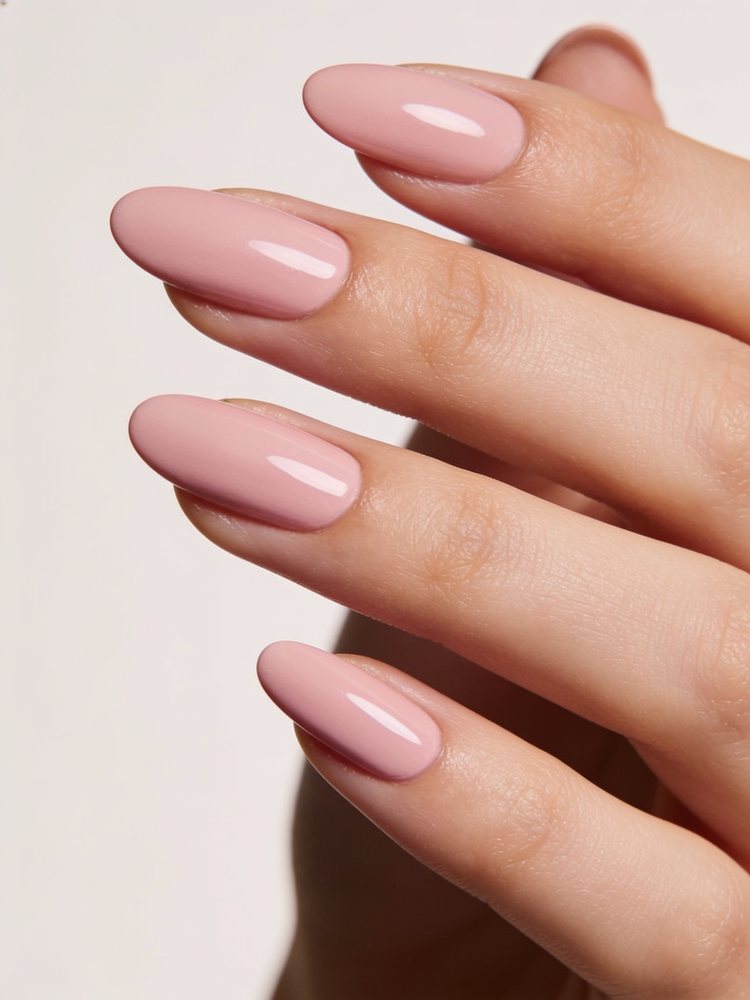
A ballet pink
Pale opaque pink with a satin finish. The most repurchased shade in most collections.

A coral creme
The summer benchmark. Should cover in two.

A forest green creme
Deep green. Pairs with gold in a way navy does not.

An oxblood creme
Deep brownish red. Depth comes entirely from the second coat.

A sheer coral
One coat, no streaking possible. The holiday bottle.

A base coat
Skipping it is the most common reason polish lifts within a day.

A high-shine topcoat
The single most important bottle. Reapply at day five to reset the gloss.

A matte topcoat
Turns every bottle above into a different manicure.
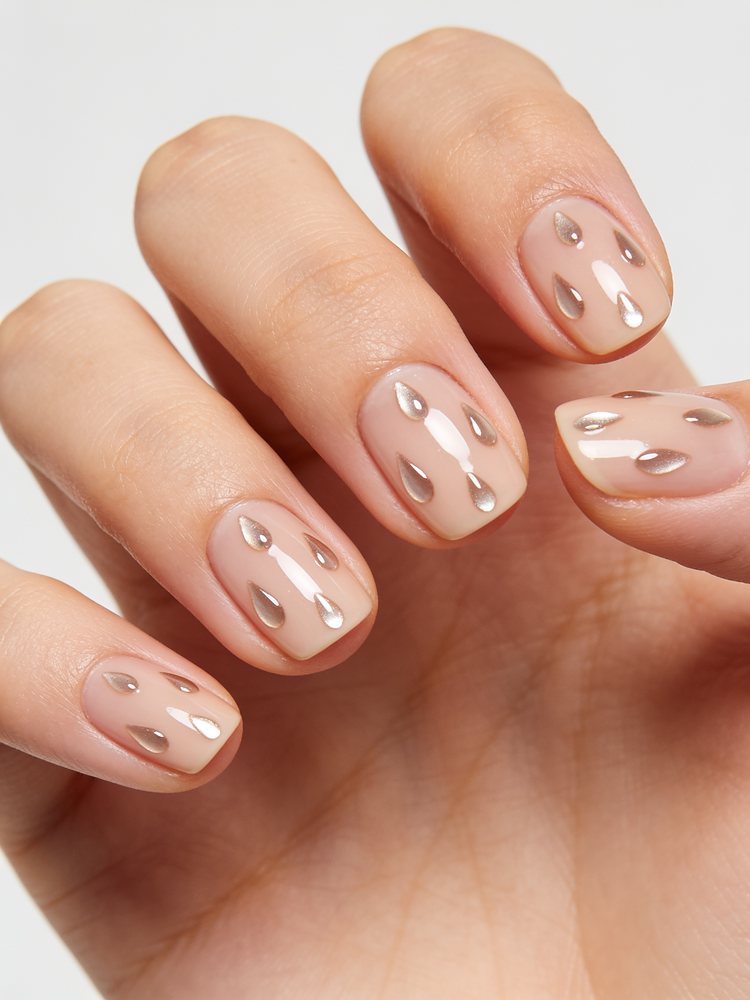
Quick-dry drops
Not polish, and the thing most likely to save a home manicure.
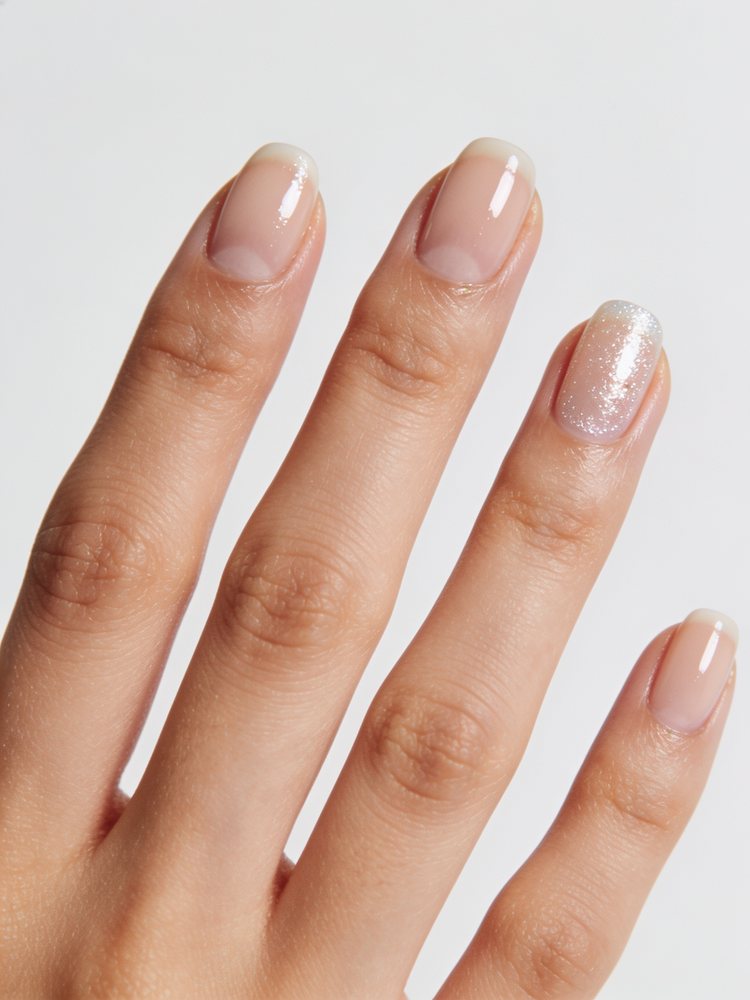
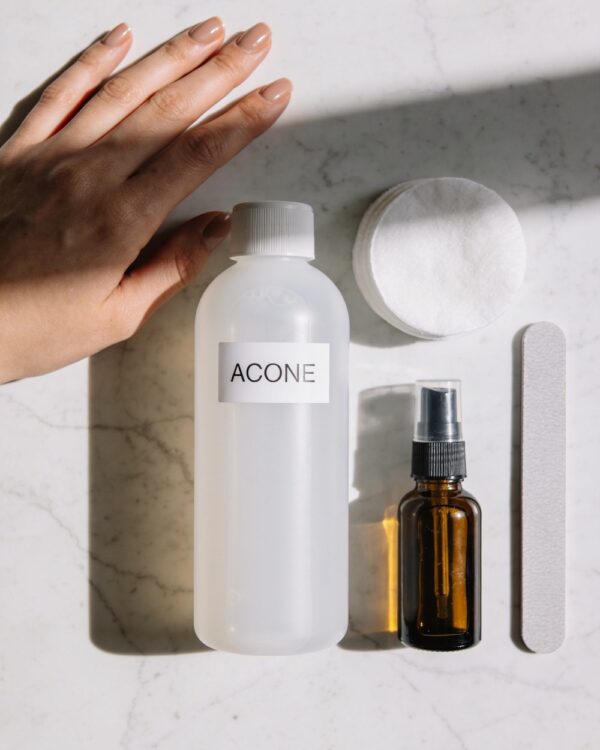
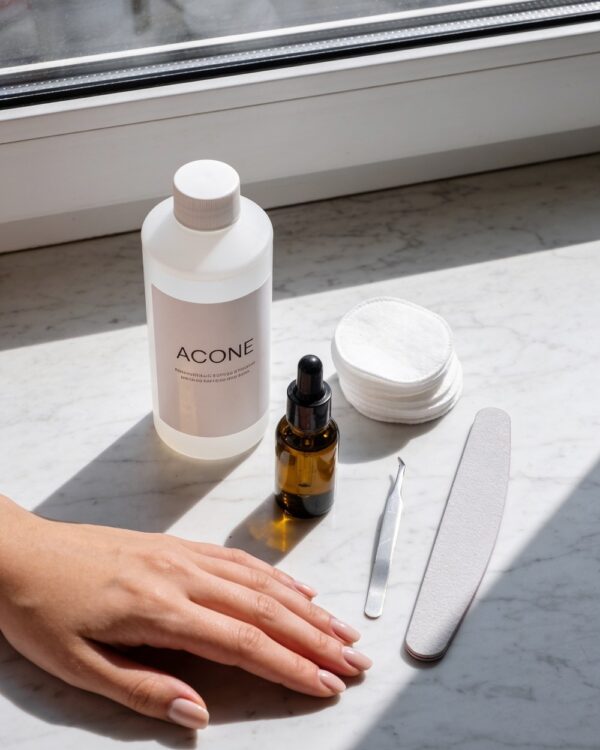
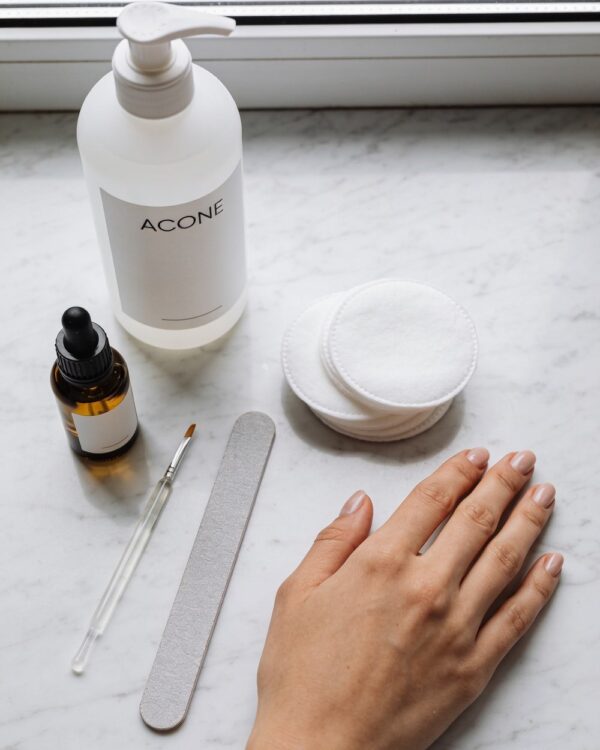
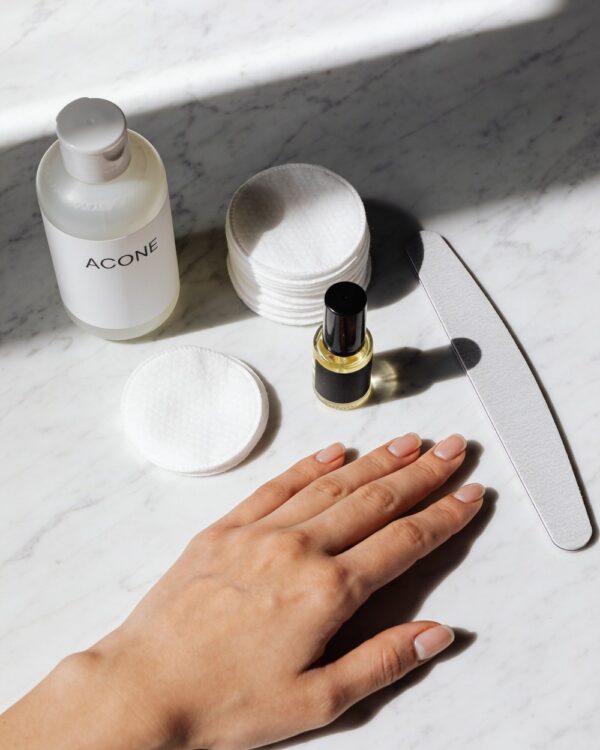
A nourishing remover
Acetone-free for polish, pure acetone for gel. Using the wrong one is why nails feel stripped.
What actually makes polish last
Not the brand. Cap the free edge with the brush on every coat, keep the coats thin enough that you can see the nail through the first one, and use a real topcoat rather than a two-in-one. Those three habits close most of the gap between a four-day manicure and a nine-day one.
For colour rather than formula, trending nail colors covers the palette by family.
Questions people actually ask
How many coats of nail polish should I use?
One for sheers, two for most cremes, three for whites and jellies. Thin coats always: a thick one dries on the surface and stays soft underneath.
Why does my nail polish chip so fast?
Almost always a skipped base coat or an uncapped free edge. Both are free to fix and together they roughly double wear time.
Is expensive nail polish better?
Sometimes, and mostly in the brush rather than the pigment. A wide flat brush that covers the nail in three strokes is what you are paying for.
Does nail polish expire?
It thickens rather than expires, and heat accelerates it. A bottle stored somewhere cool and dark lasts years; one on a sunny windowsill lasts months.